A handover inspection marks a transfer of responsibility. Its value is proportional to how precisely it defines the boundary, because that is the line disputes are argued along.
Vague handover records do not remove risk. They defer it to the point where resolving it is most expensive.
01
Complete coverage is the point
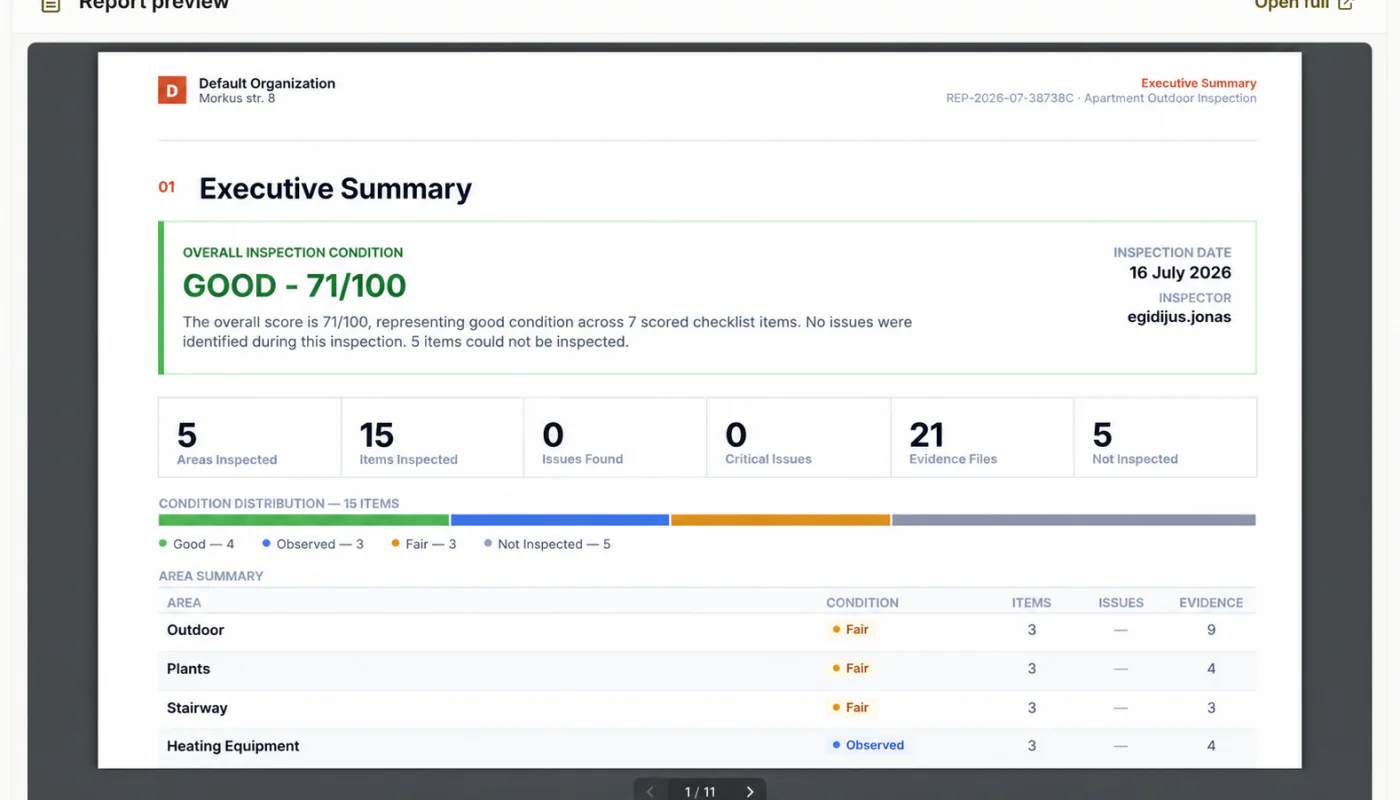
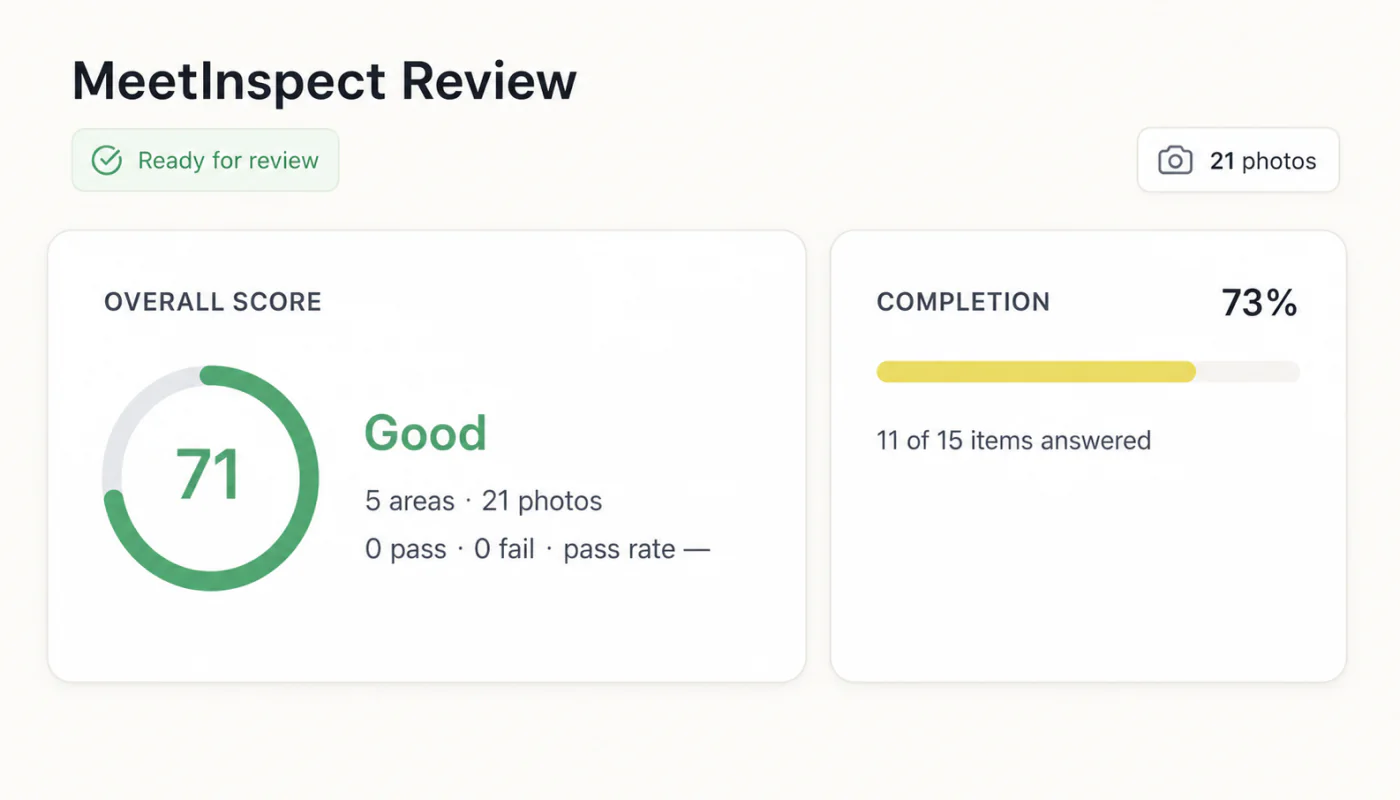
A snagging list that documents some areas exhaustively and skips others proves very little about the areas it skipped. The evidential value of "no defect recorded" depends entirely on whether the area was inspected at all.
Recording that an area was inspected and found satisfactory is therefore not redundant. It is what makes the absence of a defect meaningful.
- Record inspected-and-satisfactory explicitly
- Cover every area, including the uninteresting ones
- Date and attribute the whole record
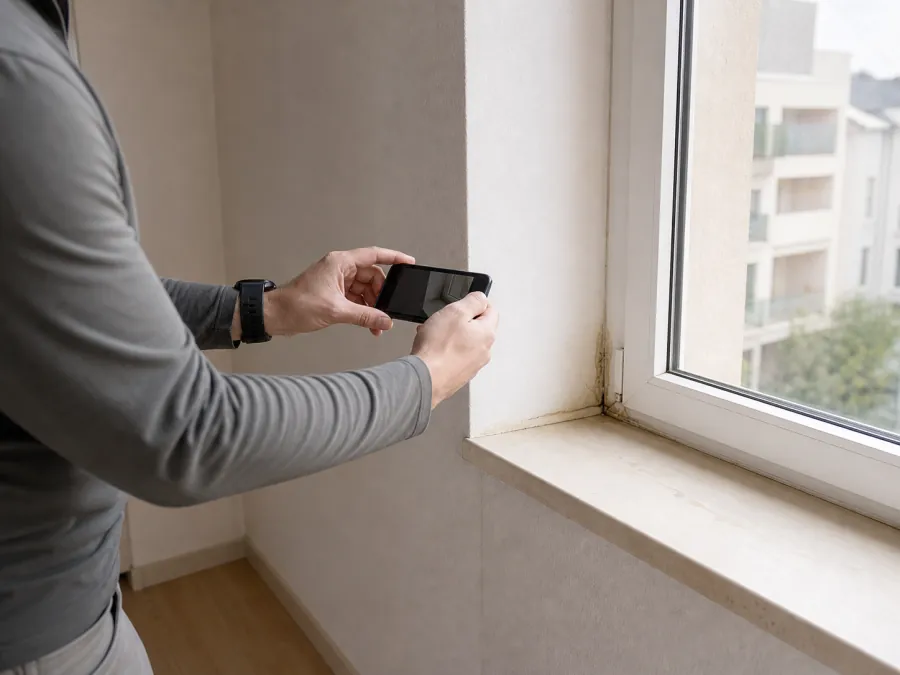
- Photograph defects at the moment they are found
02
Describe defects so a contractor can price them
A snag reading "damage to door" produces a site visit before it produces a quote. Which door, what damage, what extent — those details are free to capture at the time and costly to reconstruct.
03
Inspect together where possible
A record produced jointly, at the property, with both parties present carries far more weight than one assembled afterwards and circulated for agreement. Disagreements surface while the evidence is still in front of everyone.
04
Track closure separately from the finding
Keeping the snag and its remedy as separate records means closing the work does not erase the observation. The history of what was found at handover stays retrievable, which is exactly what a later dispute needs.