Move-in and move-out inspections document the same property at different moments, but they support different decisions. Treating them as identical forms can hide the context teams need later.
The shared structure should make comparison easy while each inspection captures the evidence appropriate to that stage of the tenancy.
01
Build a shared property structure
Use the same rooms, assets and condition language in both templates. That gives reviewers a stable baseline and reduces manual matching.
02
Change the evidence requirements
Move-in focuses on the accepted baseline, inventory and signatures. Move-out needs clear change evidence, follow-up actions and a review against the earlier record.
- Preserve the original baseline
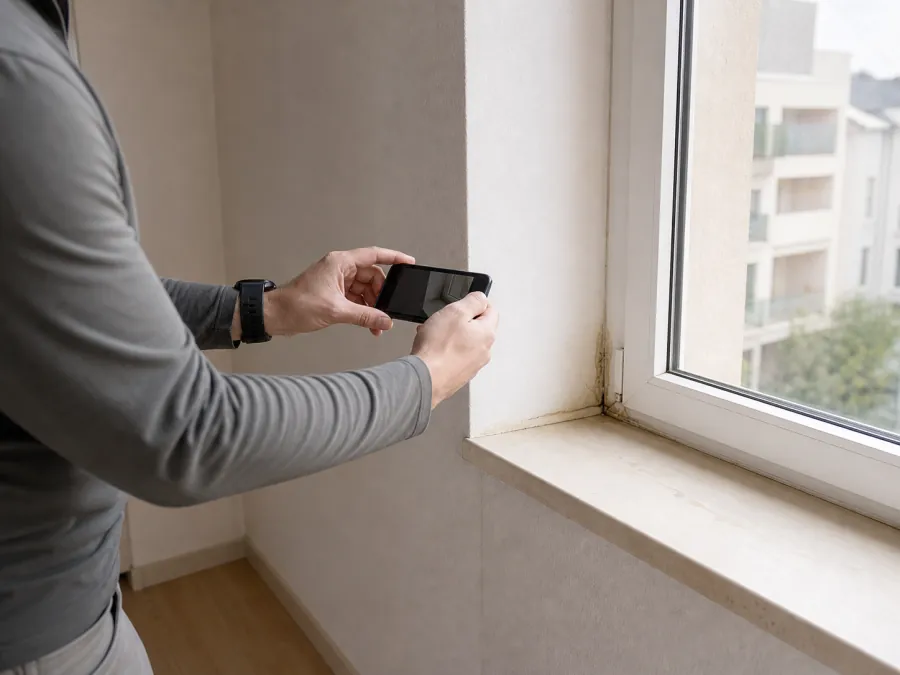
- Capture new damage in context
- Keep decisions separate from observations
03
Produce a record people can understand
A professional report should show what was observed, when it was recorded and which evidence supports the conclusion. Clarity is more useful than volume.
04
The asymmetry between the two visits
A move-in inspection establishes a baseline nobody is yet arguing about. A move-out inspection is read by someone with money at stake. The second is only as strong as the first, which is why the move-in visit deserves the greater care despite feeling less consequential at the time.
The practical consequence is that under-recording at move-in cannot be corrected later. A defect that existed but was never written down is, for every purpose that matters, a defect the tenant caused.
- Record condition for items nobody expects to dispute
- Photograph wide and close for the same item
- Capture meter readings and serials as text
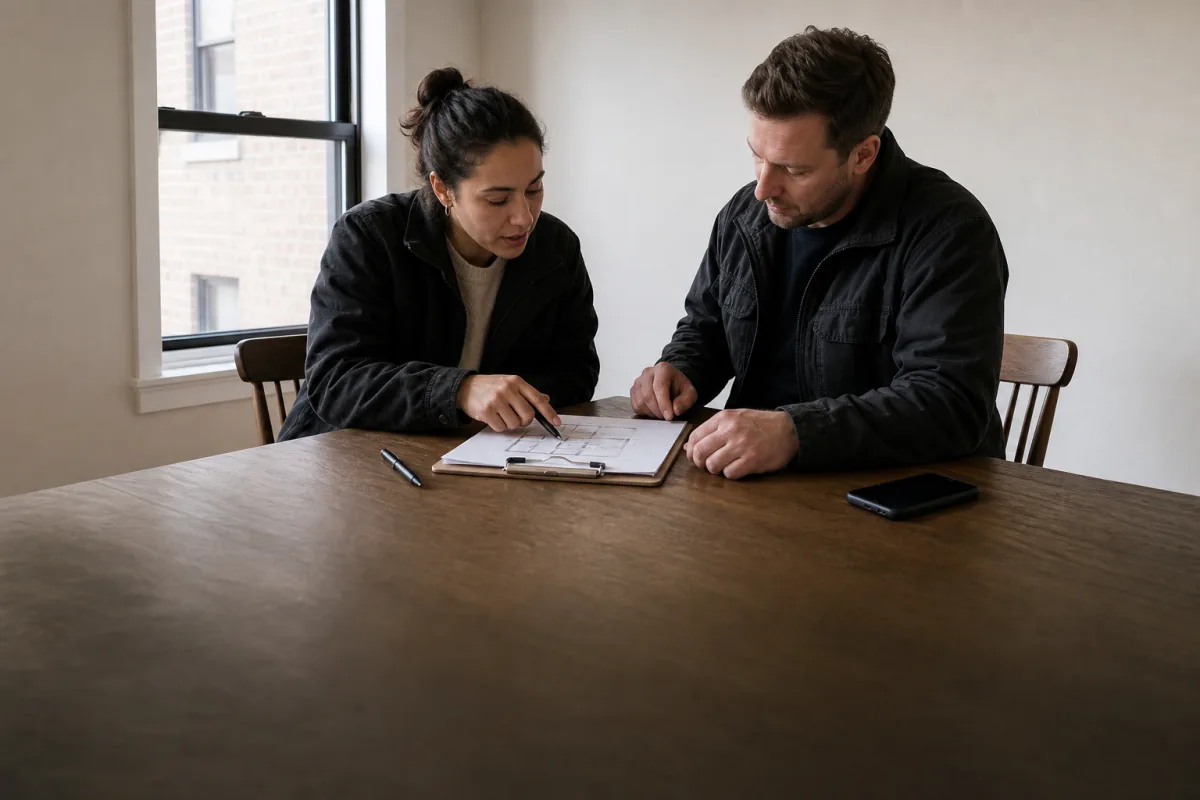
- Take the signature at the property, against the record shown
05
Making the two records comparable
A move-out inspection that asks different questions than the move-in produces two documents that cannot be read against each other. Comparability is the entire point, and it is a template decision rather than a reporting one.
Keeping the same rooms in the same order, with the same wording, means the difference between the visits is genuinely the property changing rather than the description changing.