Every inspection produces data. Comparatively few produce evidence, and the difference only becomes visible when somebody disputes the record.
Three properties do most of the work: what the material documents, when and by whom it was captured, and whether coverage was consistent.
01
Attachment: what does this document?
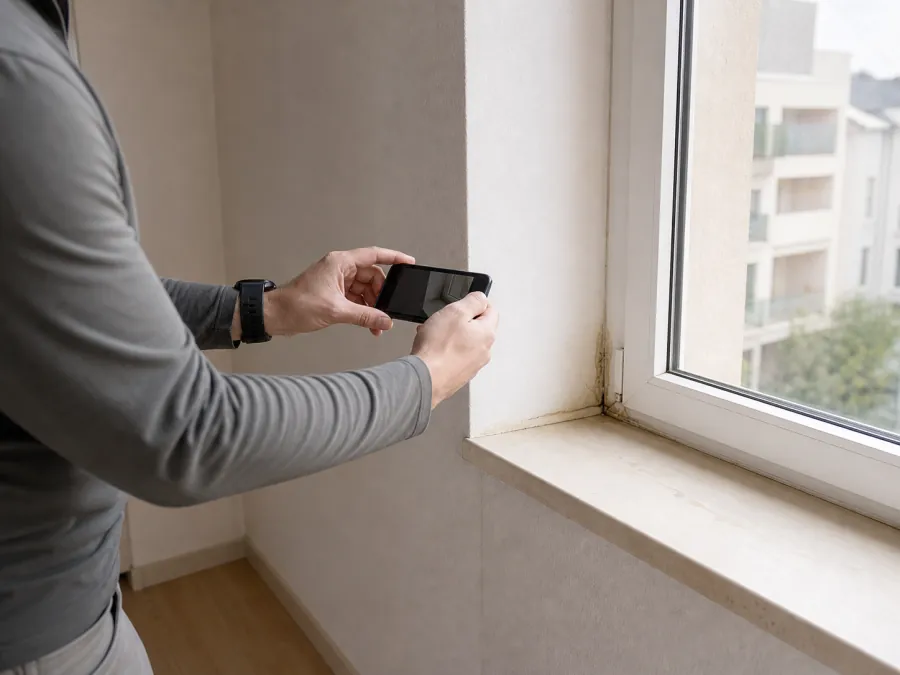
An image stored against an inspection requires somebody to remember what it shows. An image attached to the specific check that required it does not.
Attachment has to happen at capture. Reconstructing it in the office is slow, error-prone and the first task abandoned when the day overruns.
02
Provenance: when, and by whom?
A record without a date and an author is an assertion. Contemporaneity is often the single most persuasive property of an inspection record, and it is only available if it was captured at the time.
- Capture during the visit, not afterwards
- Retain the inspector identity on the record
- Keep the original evidence, not only a summary
- Avoid editing captured material after the fact
03
Consistency: what does silence mean?
If a record covers every area to the same standard, the absence of a recorded defect is meaningful. If coverage varies, silence proves nothing — and an opponent will say so.
Consistent coverage is therefore not thoroughness for its own sake. It is what gives the negative findings evidential weight.