A single-site inspection programme is a supervision problem. A multi-site programme is a design problem, because the person who set the standard is not present when it is applied.
What travels reliably is structure. What does not travel is instruction.
01
Distribute structure, not briefings
Guidance documents decay. Training attends one cohort. What every inspector actually receives on the day is the template, which makes the template the only dependable instrument of consistency.
Anything important enough to brief is usually important enough to encode as a question, a required piece of evidence or a completion rule.
- Encode the standard in the template
- Make required evidence mandatory rather than expected
- Use identical wording across sites
- Change templates deliberately and infrequently
02
Watch for divergence between inspectors
Comparable properties producing systematically different findings usually indicates an ambiguous question rather than a performance problem. Treating it as a data-quality signal points at the specific wording that needs fixing.
03
Completion before findings
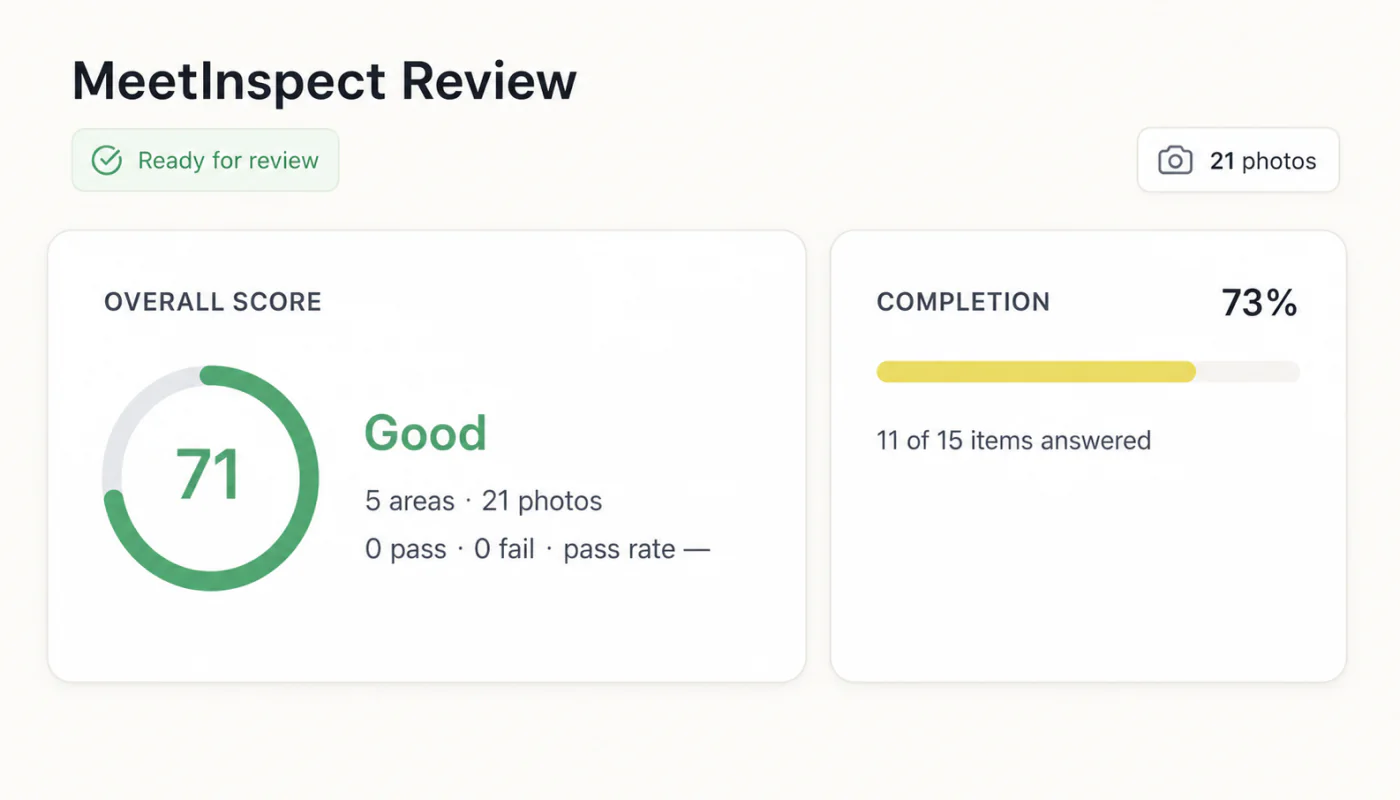
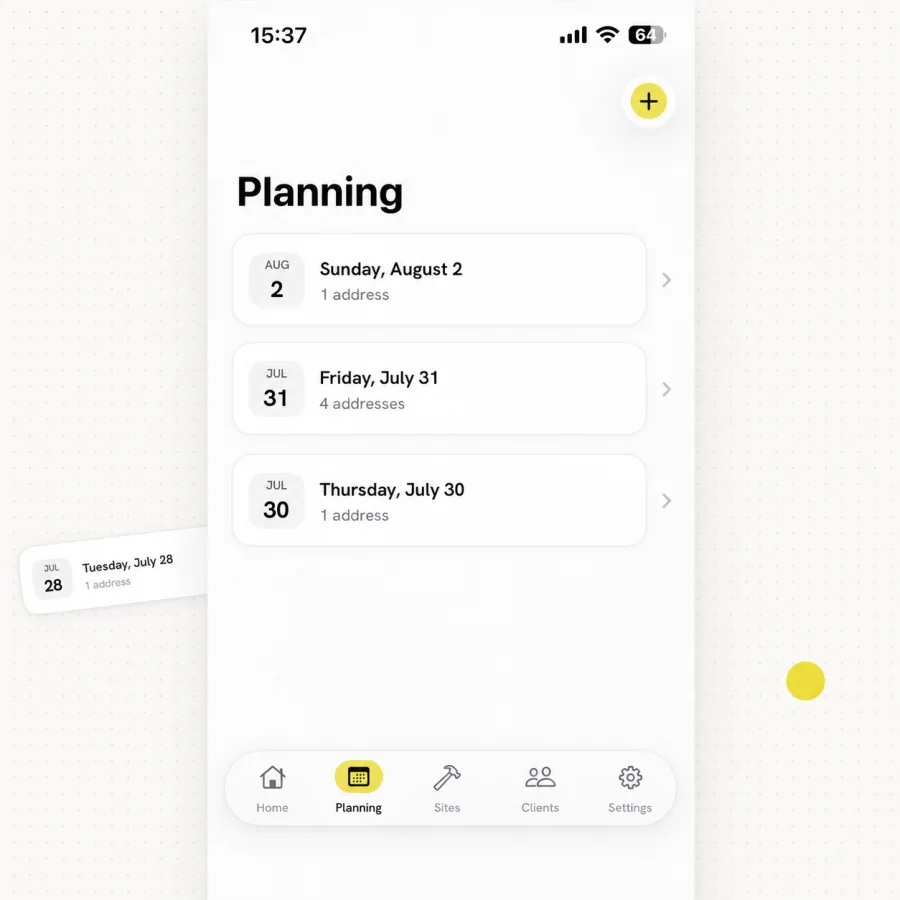
Across many sites, the first thing worth knowing is which inspections happened. Scheduled against completed, and overdue work, describe whether the programme is operating — which is a prerequisite for trusting anything it found.
04
Central visibility without central bottlenecks
Somebody needs to see the portfolio rather than a folder of documents. Equally, requiring central sign-off on every inspection creates a queue that delays the work the programme exists to do. Reviewing by exception is usually the workable middle.