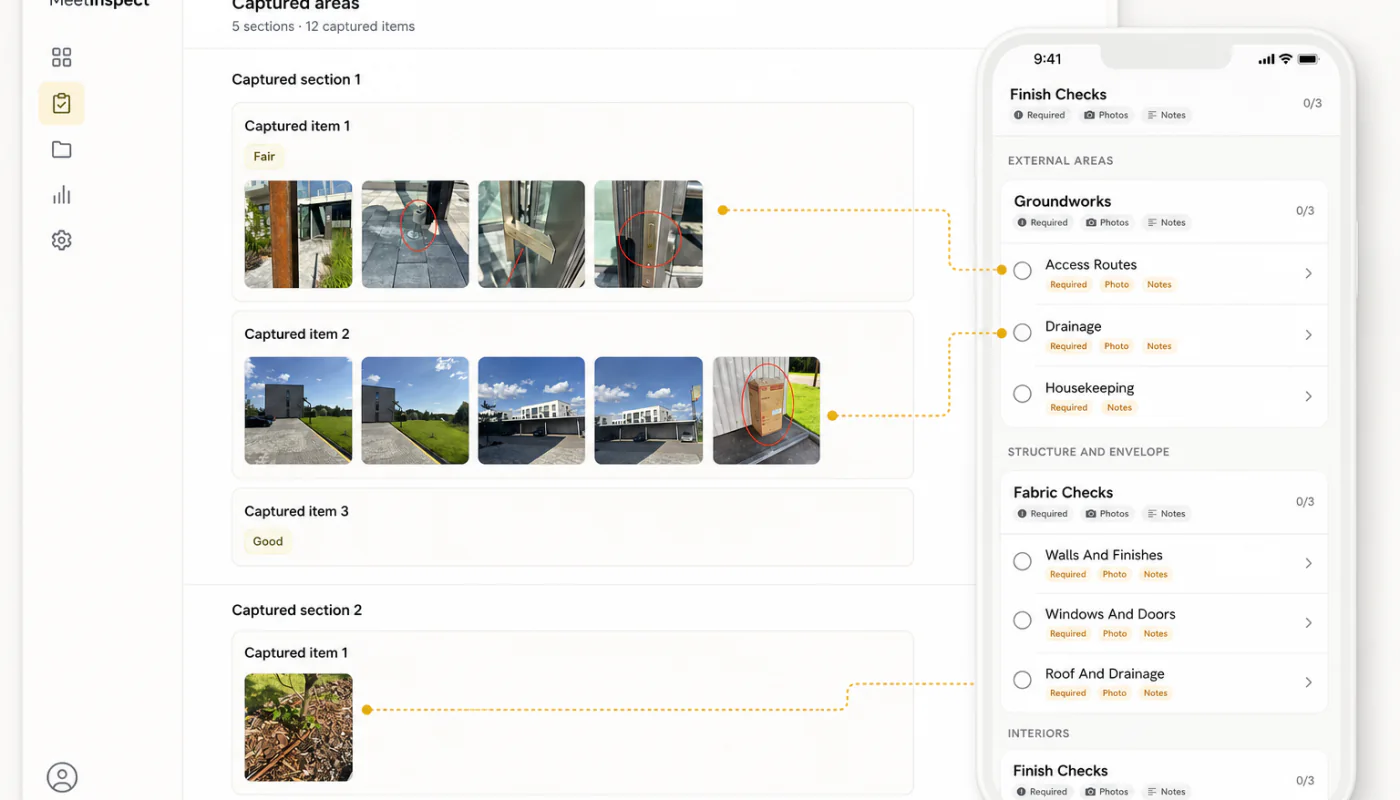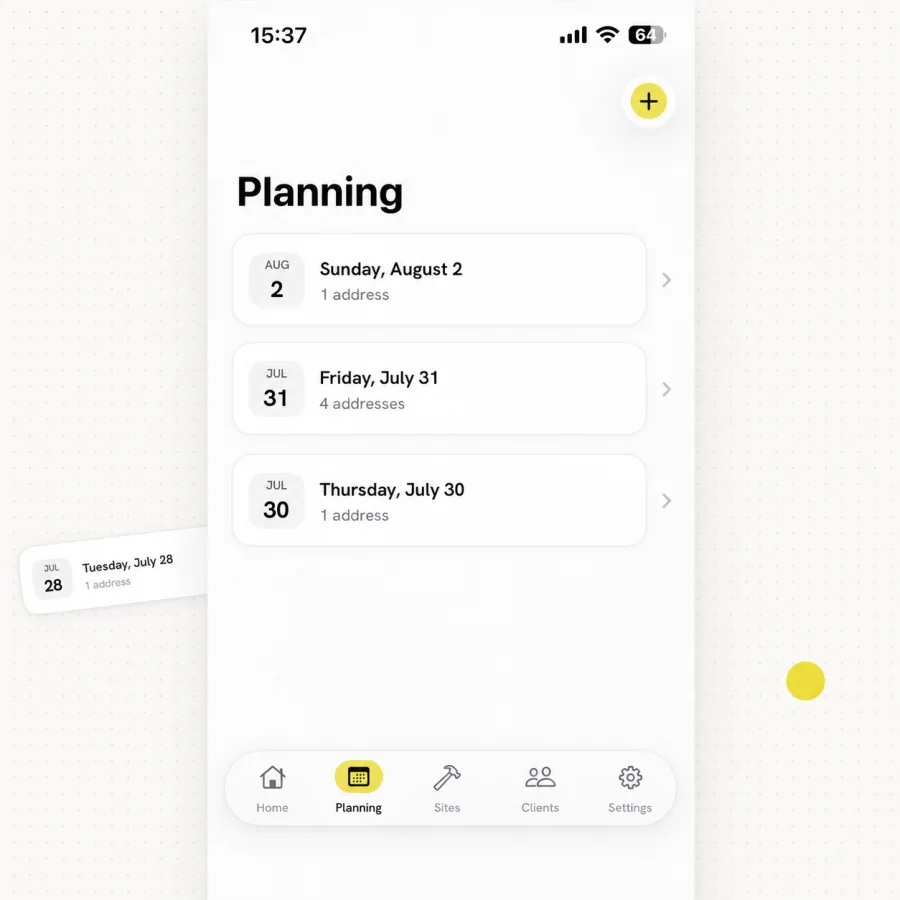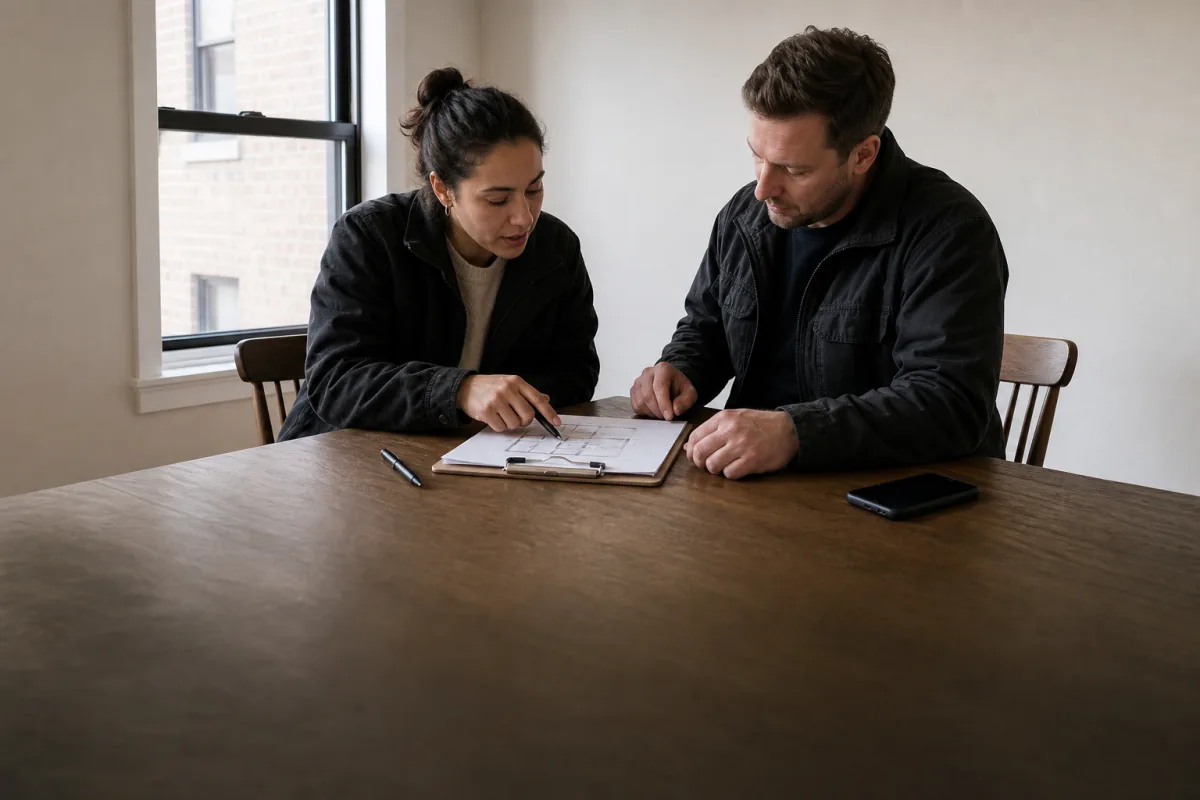
A template is the operating standard your inspectors carry into the field. If it is vague, repetitive or difficult to navigate, the evidence will vary no matter how experienced the team is.
A useful template defines what must be checked, what proof is required and what happens when the answer creates follow-up work.
01
Start with the decision the record must support
Work backwards from the report, handover or compliance decision. Include only questions that influence that outcome or provide necessary evidence.
02
Use a structure inspectors recognise
Organise the checklist by property, area, room and asset. Consistent navigation reduces cognitive load and makes training easier.
- Use short, observable questions
- Define required photos deliberately
- Add conditional follow-up only where it helps
03
Review template performance
Look for questions that are routinely skipped, misunderstood or answered with the same default. Template governance is ongoing operational work, not a one-time setup task.
04
Questions that only have one reading
The most common template defect is a question two competent inspectors answer differently. “Is the kitchen clean?” measures the inspector's standard. “Are all worktop surfaces free of visible residue?” measures the property.
Where a threshold matters, put it inside the question rather than leaving it implied. Longer wording is a small price for answers that can be compared between properties and between people.
- Prefer observable conditions to judgements
- Put the threshold inside the question
- Avoid compound questions bundling two checks
- Reuse identical wording for identical checks
05
Let completed inspections revise the template
The best source of improvement is the work already done. Questions frequently skipped are unclear. Questions answered identically every time are not discriminating. Questions that attract explanatory notes have answer options that do not fit reality.
Reviewing a template against its own output once per cycle finds these faster than any amount of design discussion beforehand — and each fix compounds across every future inspection.