Damp and mould has moved from a routine maintenance category to a matter of significant regulatory and public attention in several jurisdictions.
The practical consequence for inspection is that a note reading "some mould in the bathroom" no longer constitutes a record.
01
Describe extent, not impression
An observation needs to convey how much, where, and on what surface. "Mould to approximately half a square metre of the ceiling above the shower" gives the next person something to act on; "some mould present" does not.
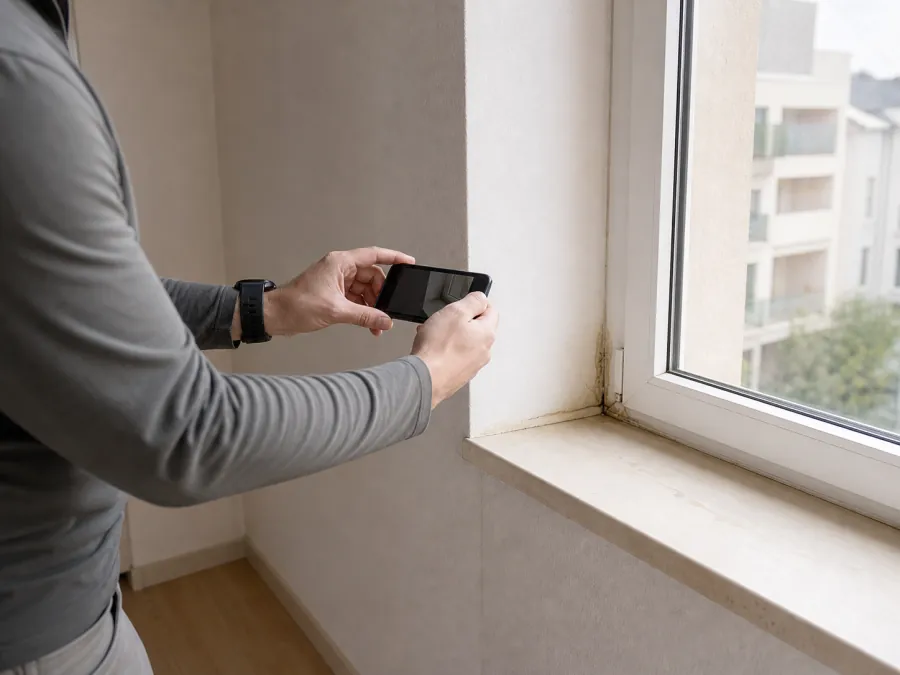
Photographs should show extent as well as existence. A close-up proves mould was there; a wider frame establishes how much and where.
- Record affected surfaces individually
- Note approximate extent
- Capture both wide and close photographs
- Date every observation
02
Separate observation from suspected cause
Condensation on a cold external wall, a failed extractor, a penetrating leak and rising damp can present similarly to a quick look, and require entirely different responses.
Recording a suspicion is valuable. Recording it as though it were an observation is not. Keep the two as separate fields so a later reader can tell which is which.
03
Record ventilation as found
Whether extraction exists, whether it was working at the time of the visit, and whether trickle vents were open are all facts that shape both diagnosis and responsibility. They are also easy to establish during the visit and impossible to reconstruct afterwards.
04
Capture what the resident said
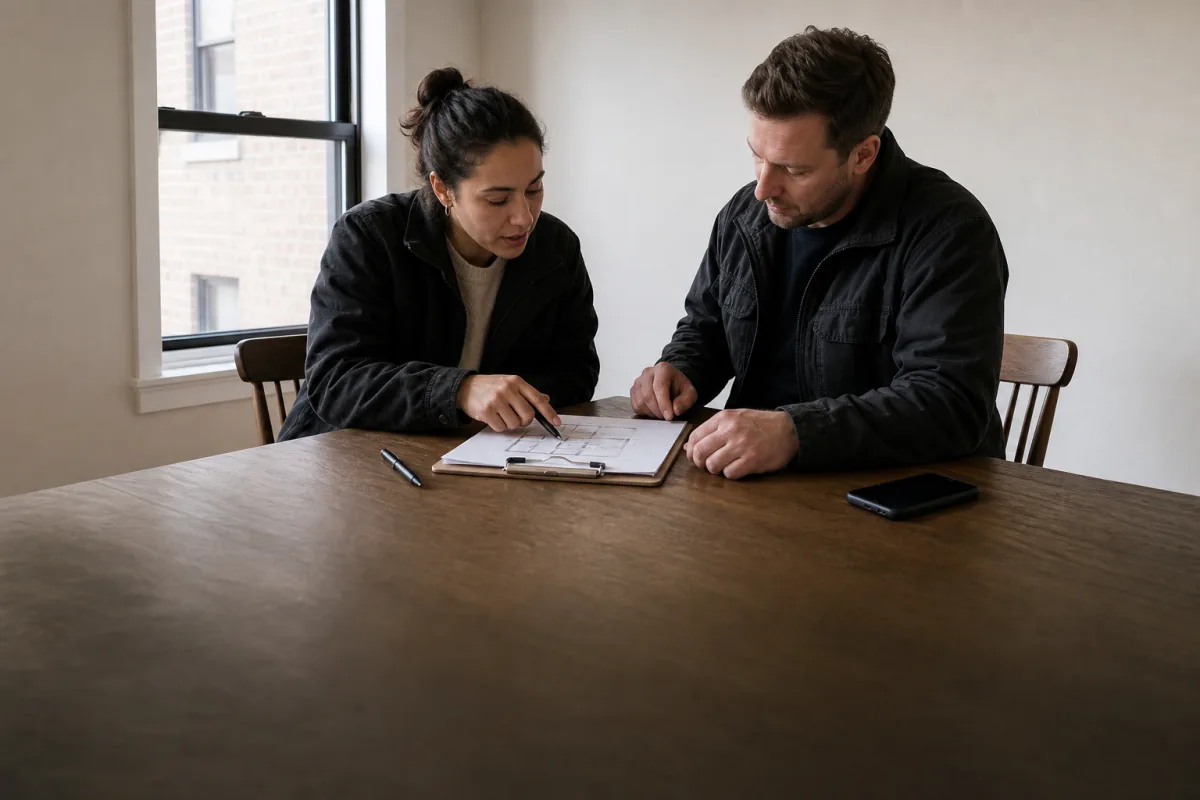
Residents hold information no inspection can observe: when it appeared, whether it recurs seasonally, what has been reported before. Recording it — attributed as a report rather than an observation — frequently explains a pattern that the physical evidence alone does not.
Recording what advice was given at the visit matters equally, because it establishes what the occupant was told and when.